Insights
A RMB 7.28 Million Cargo Loss: Why Were the Transport Companies Ordered to Pay RMB 380,000?
A cargo loss exceeding RMB 7.28 million and a recovery award of more than RMB 380,000 reveal the liability limits, value protection and evidence that matter in cross-border precision equipment shipments.
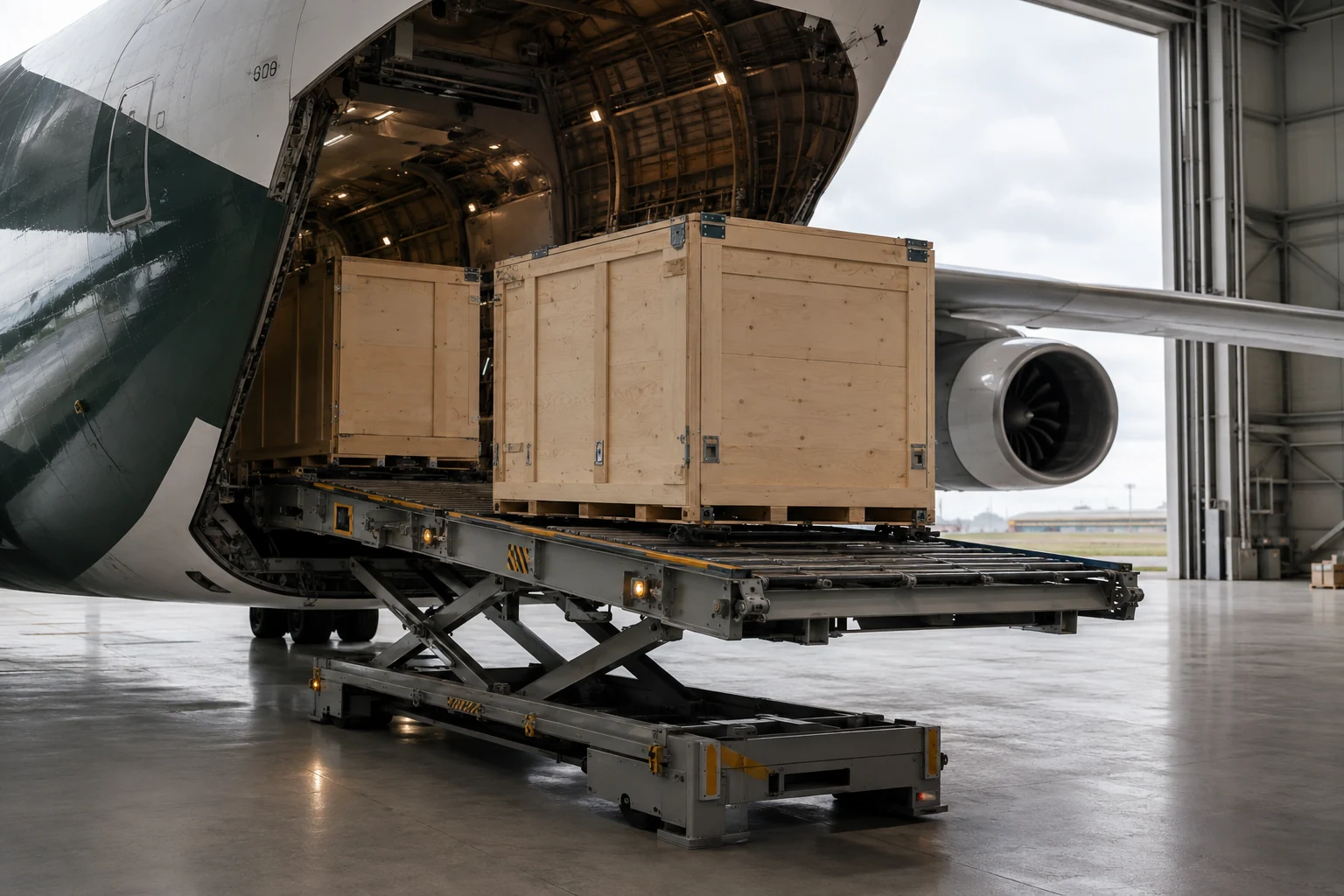
The limits of liability when precision equipment travels across borders
When precision equipment crosses a border, its value, freight charges and delivery schedule are easy to see. What determines the amount recoverable after damage occurs, however, may be the mode of transport, the chain of carriers and the protection arranged before shipment. An insurer's subrogation case published by the Shanghai Putuo District People's Court illustrates the gap: damage to an electron microscope exceeded RMB 7.28 million, while the transport companies held liable were ordered to pay a combined amount of more than RMB 380,000, plus interest for late payment. Understanding the distance between these figures is a starting point for understanding cross-border transport risk.
An all-air shipment became a truck journey in Guangzhou
In May 2020, an electronics company engaged an international logistics company to transport two electron microscopes by air from the Netherlands to Xiamen. Its requirements expressly included air transport throughout the journey and protection against vibration. After the goods reached Guangzhou Baiyun Airport, they did not continue by air as agreed. Other transport companies instead arranged delivery to Xiamen in an ordinary truck without air-cushion equipment.
On collection, the indicators on two wooden crates were found to be damaged, and one microscope was a total loss. According to the white paper, abnormal vibration during loading at Guangzhou Airport, together with the lack of cushioning during the subsequent road journey, caused and aggravated the damage. The loss exceeded RMB 7.28 million. After paying the insurance claim, the insurer sought recovery from five defendants, including the airline and the international logistics company.
The court applied the Montreal Convention to determine the amount payable and ordered the airline and two other transport companies to pay a combined amount of more than RMB 380,000, plus interest for late payment. The appellant later withdrew its appeal, and the first-instance judgment became effective. The award of more than RMB 380,000 concerned the insurer's recovery from the transport companies; the cargo owner had already received an insurance payment exceeding RMB 7.28 million.
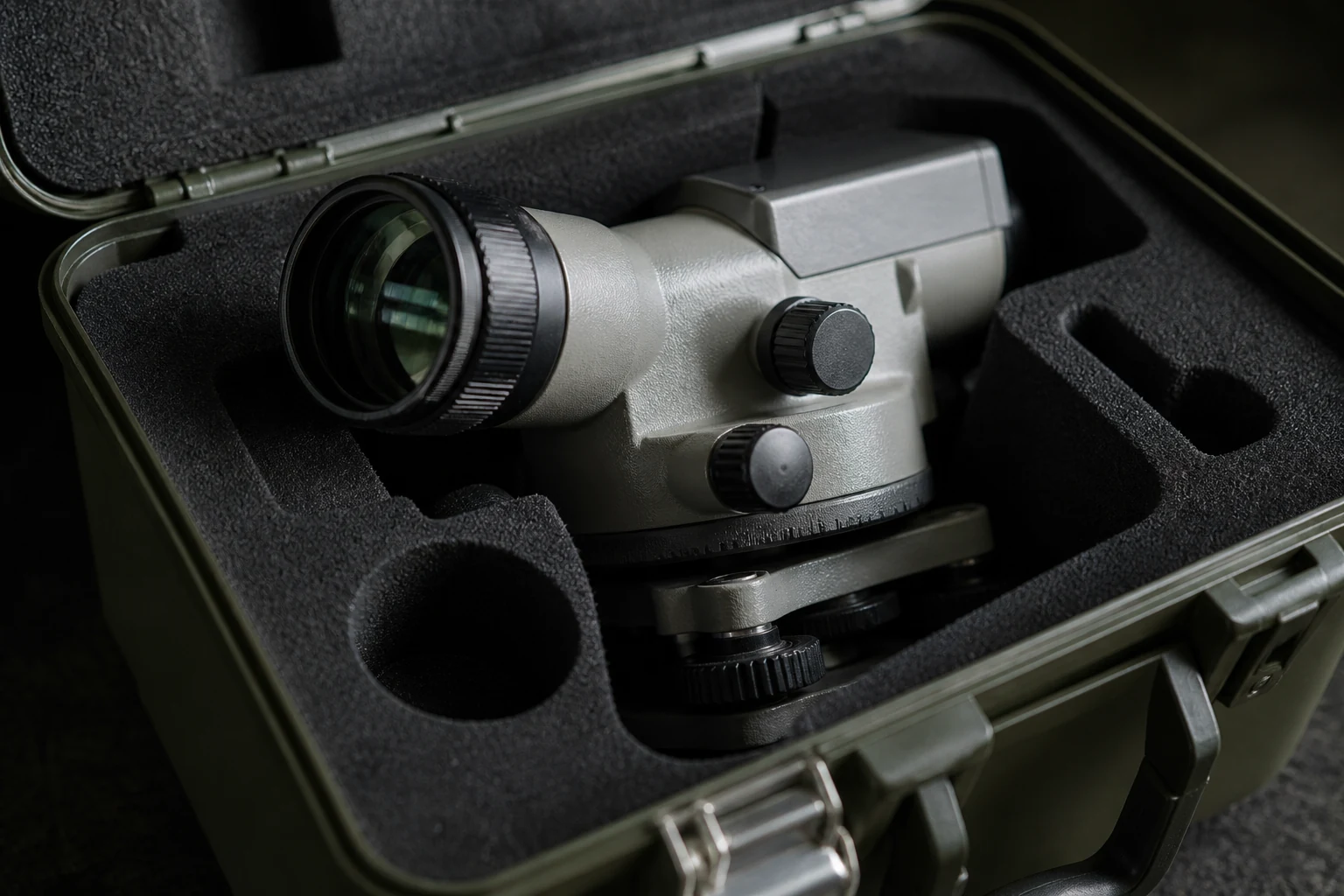
Why air carriage rules still applied to the road leg
The key was how the court characterized the transport arrangement as a whole. The white paper explains that the court treated the relevant road leg as transport during which the goods remained in the carrier's charge. It therefore used the Montreal Convention to determine responsibility and the amount of compensation.
This also corresponds to a rule in Article 18(4) of the Convention: where a carrier substitutes another mode of transport for agreed air carriage without the consignor's consent, that substitute carriage is treated as falling within the period of carriage by air. The fact that damage occurred on a road does not, by itself, exclude the application of air carriage rules. Convention text published by the Civil Aviation Administration of China
Businesses need to answer two separate questions: who is responsible for the damage, and which rules determine the amount payable? Identifying a failure in the carriage of goods and establishing an entitlement to recover their full value are distinct inquiries. Conflating them can lead to an overestimate of the losses that subsequent recovery proceedings will cover.

Put protection for the equipment's value in place before dispatch
For precision equipment with a high value relative to its weight, promises of all-air transport and professional vibration protection need to become requirements that can be implemented at each stage: whether transfers are permitted, who may change the mode of transport, which vehicles will be used, how loading and unloading will take place, and who will record each handover. Alignment between the air waybill, the logistics instructions and subcontracting arrangements determines whether those commitments extend throughout the transport chain.
The amount of protection also needs to be addressed in advance. Article 22(3) of the Convention provides a mechanism for a special declaration of interest in delivery at destination, with an additional charge where required. Article 25 allows a carrier to agree to a higher liability limit or to no limit. Cargo insurance provides a separate means of transferring risk. Stating the goods' value on a commercial invoice, making a special declaration to the carrier and purchasing cargo insurance are three distinct arrangements. Their documentation, scope and conditions need to work together. Convention text published by the Civil Aviation Administration of China
Inspection on arrival should also produce a continuous record: the outer packaging, impact indicators, images of unpacking, equipment test results, and the instructions and records for each transport stage and handover. Where equipment forms an integrated system, technical materials are also needed to explain whether damage to one component affects the value of others. Evidence captured close to the loading, transfer and inspection events helps establish where the events giving rise to liability occurred.
Legal work in cross-border transactions begins with booking and contracting and continues through delivery. Connecting transport commitments, protection for the goods' value and the evidential record creates a clear route to protecting the commercial value of equipment when a risk materializes.
Source: Shanghai Putuo District People's Court, *White Paper on Foreign-Related Commercial Adjudication*, Case 2, “Accurately Understanding and Applying the Montreal Convention to Promote Predictable Rules in Cross-Border Air Transport — An Insurer's Subrogation Claim Against an Airline and Others,” printed pages 9–10. The case discussed is the case published in that white paper. For the treaty provisions, see the 1999 *Convention for the Unification of Certain Rules for International Carriage by Air* published by the Civil Aviation Administration of China.